
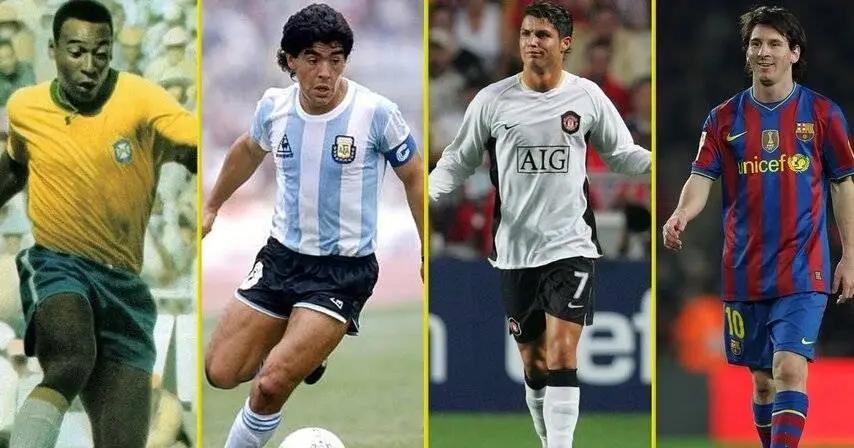
In the world of football, the debate over who holds the title of the greatest of all time (GOAT) is as timeless as the sport itself. The conversation often circles around four legendary names: Lionel Messi, Diego Maradona, Pelé, and Cristiano Ronaldo. Each of these icons has etched their names in the annals of football history, and their cases for being the GOAT are compelling. So, let’s dive into the debate, considering their titles, trophies, and, most importantly, their impact on the game and the world.
Pelé is often regarded as the original football superstar. Winning three FIFA World Cups (1958, 1962, 1970) with Brazil, Pelé’s international trophy haul remains unmatched. He scored over 1,200 career goals, a feat that underscores his incredible consistency and dominance over two decades. Pelé’s ability to mesmerize defenders with his skill, creativity, and athleticism revolutionized football. He became a global ambassador for the sport, bringing football to new audiences and solidifying its place as the world’s most popular game.
However, critics argue that Pelé played in an era when football was less competitive and less globalized. His career was primarily spent in Brazil’s domestic league, which lacked the intensity and depth of Europe’s top leagues. While his World Cup victories are extraordinary, the level of competition in those tournaments does not compare to modern standards. Having said that, Pelé transcended football, becoming a cultural icon who brought unparalleled attention to the sport. His legacy as the “King of Football” remains intact, but the question arises: was he the best player or simply the most dominant in his time?
Maradona’s name is synonymous with genius. His performance in the 1986 World Cup, where he almost single-handedly led Argentina to victory, is often cited as the greatest individual display in football history. His “Goal of the Century” against England showcased his dribbling, vision, and composure, while his leadership inspired teammates to achieve greatness. At Napoli, Maradona turned a mid-table club into Serie A champions, winning two league titles (1986/87, 1989/90) and the UEFA Cup (1988/89).
But Maradona’s career was plagued by inconsistency and controversy. His struggles with fitness, discipline, and off-field issues often overshadowed his brilliance. Unlike others on this list, his club career lacked longevity and the sheer number of trophies to bolster his claim. However, Maradona’s impact on football is profound. He represented the idea that one player can change everything. His influence extended beyond the pitch, symbolizing hope for the underprivileged and cementing his place as a footballing deity in Argentina and Naples. However, his moments of brilliance were often fleeting.
Cristiano Ronaldo is the epitome of hard work and consistency. With five Ballon d’Ors, five UEFA Champions League titles, and multiple league titles in England, Spain, and Italy, Ronaldo’s trophy cabinet is staggering. He is the all-time top scorer in the Champions League and for Portugal, leading his nation to their first major international triumphs: the UEFA Euro 2016 and the 2019 Nations League. His physical attributes, versatility, and clutch performances make him a standout.
While Ronaldo’s individual and team accomplishments are unparalleled, critics argue that his style of play lacks the artistic flair traditionally associated with football’s greatest. His reliance on athleticism over creativity has sparked debates about his place among the sport’s purest talents. Additionally, his record at major international tournaments pales compared to others on this list, with his Euro 2016 triumph involving limited participation in the final due to injury. That said, Ronaldo’s impact on football is undeniable. His relentless pursuit of excellence has set new standards for professionalism. He’s a global icon whose influence extends to millions of fans. However, some argue his legacy feels more manufactured than organic, a result of relentless branding as much as pure talent.
Lionel Messi’s resume is almost mythical. With seven Ballon d’Ors, four Champions League titles, ten La Liga titles, and a World Cup Messi’s trophy haul is unmatched in the modern era. His career at Barcelona redefined the club, as he became their all-time leading scorer and a symbol of their dominance. Messi’s dribbling, vision, and playmaking are unmatched, and his ability to control games makes him one of the most complete players ever. The 2022 World Cup cemented his legacy, as he delivered Argentina their third title with a series of iconic performances.
However, Messi’s critics often point to his limited success outside Barcelona. His brief stint at Paris Saint-Germain and Inter Miami is sometimes viewed as less impactful compared to his Barcelona years. Additionally, some argue that Messi’s quieter demeanor on the pitch contrasts with the commanding leadership styles of players like Maradona or Ronaldo. Having said that, Messi’s influence on football is immeasurable. He’s not just a great player; he’s an artist whose elegance and creativity redefine what’s possible on a football field. His journey, from a small boy in Rosario battling growth hormone deficiency to conquering the world stage, is one of inspiration and determination.
When weighing the cases for Pelé, Maradona, Ronaldo, and Messi, the latter emerges as the ultimate choice. Messi’s consistency, versatility, and ability to shine on both the club and international stages set him apart. His World Cup triumph in 2022, paired with his exceptional club career, demonstrates a level of sustained greatness unmatched by his peers. Pelé’s dominance came in a less competitive era, Maradona’s brilliance was sporadic, and Ronaldo’s impact, while immense, lacks the artistry and universal appeal of Messi. Lionel Messi embodies the perfect blend of talent, achievement, and influence, making him the GOAT in football history.


Share this post


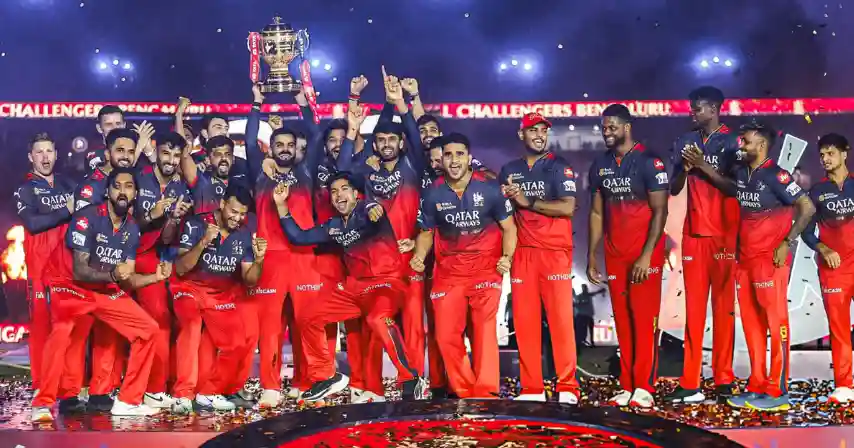
The Karnataka State Cricket Association has received official approval from the Government of Karnataka to host Indian Premier League matches at the iconic M. Chinnaswamy Stadium in Bengaluru. The venue will host the season opener on March 28 between Royal Challengers Bengaluru and Sunrisers Hyderabad, setting the stage for an electrifying start to the IPL with passionate fans and thrilling cricket action.
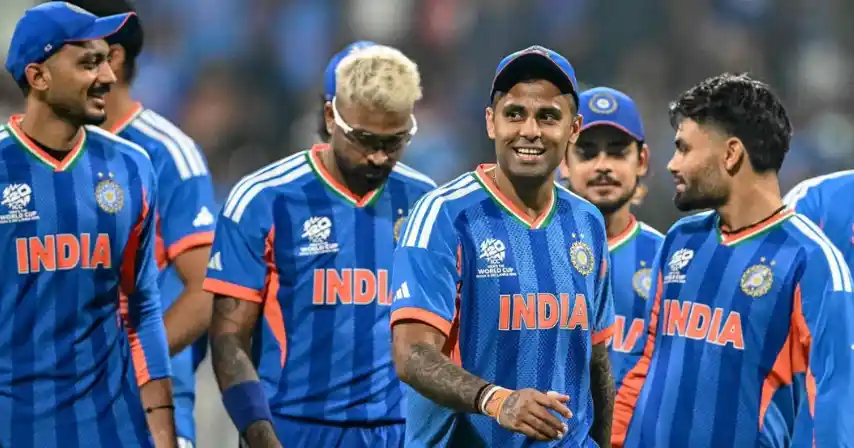
Following India’s historic T20 World Cup 2026 title defense, the BCCI has announced a record-breaking ₹131 crore reward for the Men in Blue! This massive bounty honors the squad’s dominant victory over New Zealand. Each of the 15 players will receive ₹6 crore, with the remaining ₹41 crore distributed among Gautam Gambhir’s coaching staff and support personnel, celebrating India’s unprecedented third T20 world title.
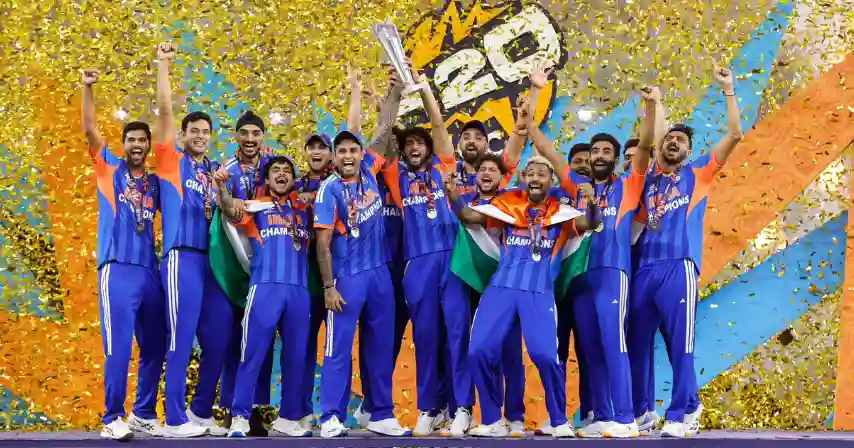
History was created as the India national cricket team lifted the ICC Men's T20 World Cup trophy again, becoming the first team to win back-to-back titles and the first to win three T20 World Cups. Sanju Samson led the charge with a brilliant 89 in the final and a stunning tournament comeback to win Player of the Tournament, while Jasprit Bumrah’s 4-wicket spell sealed India’s historic triumph.
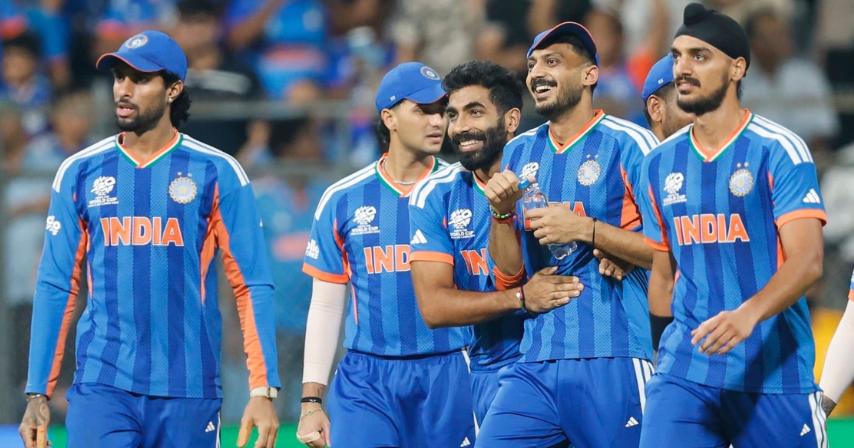
Wankhede witnessed history. India stormed into their first-ever back-to-back T20 World Cup Final, surviving Jacob Bethell’s record-breaking ton in a 499-run thriller. Sanju Samson’s 89 equaled Virat Kohli’s knockout legacy as India posted a record 253/7. Now, the Men in Blue stand on the precipice of immortality: one win against New Zealand to become the first team to win consecutive World Cup titles.
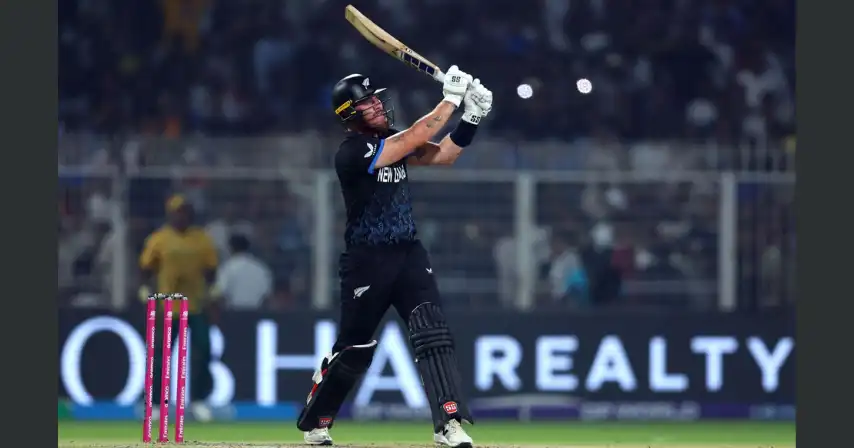
History was rewritten at Eden Gardens! New Zealand’s Finn Allen shattered the record books, smashing the fastest hundred in T20 World Cup history in just 33 balls. Obliterating Chris Gayle’s long-standing 47-ball record, Allen’s explosive 2026 semi-final masterclass against South Africa has propelled the Kiwis into the Grand Final. Is this the greatest T20 innings ever? Explore the new top 5 fastest centurions now.
ScoreWaves © 2025 Copyright. All Rights Reserved.
 Views:
 Download Our App
 IOS
IOS Google Play Store