

When Arsenal jetted off to Dubai for a warm-weather training camp recently, the hope was to recharge, refocus, and prepare for the final stretch of the season. The sun-soaked sessions were meant to inject fresh energy into Mikel Arteta’s squad, who are still chasing glory in the Premier League and Champions League. However, instead of returning with renewed vigor, the Gunners came back with an unexpected setback: Kai Havertz suffered a hamstring injury during one of the sessions.
Havertz’s injury has once again sparked conversations around warm-weather training camps. Are these mid-season getaways beneficial for players, or do the risks outweigh the potential rewards? Let’s dive into the world of warm-weather training and break down its pros, cons, and why clubs like Arsenal continue to embrace it despite the potential pitfalls.
Warm weather training camps have become a popular tool in modern football. Clubs from Europe’s colder climates often escape the dreary, wet winters to find sunnier pastures in places like Dubai, Marbella, or Miami. The idea is simple: better weather, better training conditions, and a chance for players to recover physically and mentally from the grind of a long season. But it’s more than just chasing sunshine. The benefits of warm-weather training can be significant when done correctly.
Cold, wet, and windy weather makes training difficult. In England, for instance, winter often means frozen pitches, slippery surfaces, and disrupted sessions. In Dubai, Arsenal found pristine pitches, predictable conditions, and sunshine that allowed for high-intensity sessions without worrying about rain-soaked grounds.
The relentless nature of European football can take its toll on players. A change of scenery can do wonders for morale. Training in a relaxed, sunny environment helps players switch off from the usual pressures and bond as a group. The mental reset can be as valuable as the physical work.
Warm weather helps improve circulation and muscle flexibility. Players carrying minor knocks often benefit from training in warmer temperatures as muscles and joints loosen up more easily, aiding recovery. Arsenal’s medical team, like many others, hoped the Dubai trip would accelerate the recovery of players with minor issues.
Away from the distractions of day-to-day life in London, Arsenal had the chance to focus solely on football. Arteta could implement new tactical tweaks without the intensity of competitive fixtures looming. These trips also foster camaraderie, which can prove vital during the business end of the season.
However, as Kai Havertz’s hamstring injury showed, these trips aren’t without risk.
Switching environments can place unexpected strain on players. Training in warmer temperatures might feel easier, but when players return to colder conditions, their muscles and joints must readjust. Havertz’s injury could have been a result of pushing too hard in unfamiliar conditions or the sudden change in temperature.
Players are creatures of habit. Travel disrupts routines—training schedules, sleep patterns, and even diet can be affected. Jet lag, even on short-haul flights to Dubai, can impact performance once the team returns to domestic action.
Warm weather might encourage teams to train harder than usual. Coaches, eager to maximize the benefits of the trip, sometimes push players into high-intensity drills that overload their bodies. Arsenal’s medical staff undoubtedly monitored workloads closely, but Havertz’s injury shows how fine the margins can be.
Trips to glamorous destinations like Dubai are often met with skepticism from fans, especially if results take a turn for the worse afterward. Sun-kissed Instagram posts can create the impression that players are on holiday rather than working hard. If Arsenal stumble in the coming weeks, critics will point fingers at the Dubai trip as a potential distraction.
Despite the risks, warm weather training remains popular across Europe. Clubs like Bayern Munich, Barcelona, and Manchester City have all utilized similar breaks to great effect. So, why do they persist?
These trips aren’t just random getaways. Sports scientists carefully plan warm-weather camps based on data analysis. Muscle fatigue, injury risk, and even sleep patterns are monitored. Arsenal’s trip to Dubai wasn’t spontaneous; it was part of a meticulously planned strategy to optimize performance during the season’s final months.
Studies have shown that training in warmer temperatures can improve cardiovascular performance. Heat acclimation forces the body to adapt, enhancing endurance and overall fitness. For teams competing across multiple competitions, any physical edge can prove crucial.
Football isn't just about tactics and fitness; it's about relationships and understanding between players. These camps offer a rare chance for extended bonding time, away from the media glare and daily pressures. Arsenal’s squad, which has seen several new faces arrive in recent seasons, could benefit from the strengthened unity these trips foster.
Warm weather training camps are a calculated gamble. When they work, they provide a physical and mental boost that can propel teams toward success. When they backfire, as Arsenal might feel with Havertz’s injury, the entire trip is called into question.
The key lies in balance. Clubs must manage workloads, monitor players' bodies meticulously, and ensure the transition back to regular conditions is handled with care. For Arsenal, the Dubai trip could still bear fruit if the refreshed squad returns with renewed focus. But the Havertz injury serves as a stark reminder that even the best-laid plans can unravel in football’s unpredictable world.
As the Gunners now prepare for the Premier League’s final stretch, they’ll hope the sunshine of Dubai was more of a blessing than a curse. The warmth might fade, but the lessons learned—both good and bad—will linger as they chase silverware in the months ahead.
Also Read: Has Arsenal’s Transfer Window Inactivity Cost Them a Chance at the Premier League Title?


Share this post


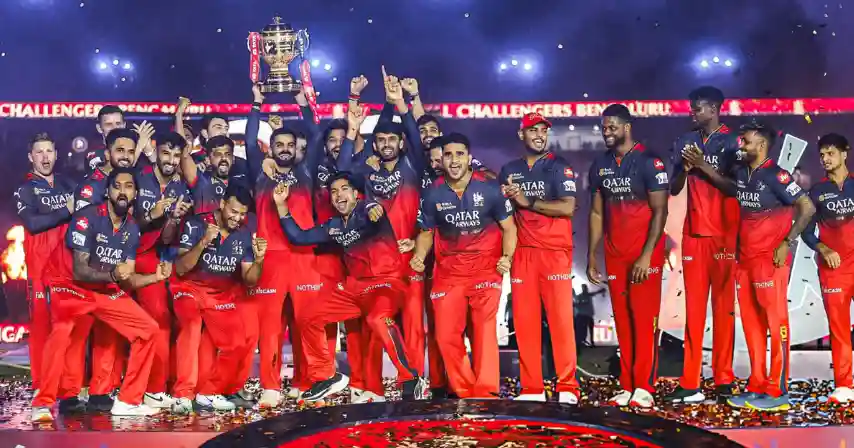
The Karnataka State Cricket Association has received official approval from the Government of Karnataka to host Indian Premier League matches at the iconic M. Chinnaswamy Stadium in Bengaluru. The venue will host the season opener on March 28 between Royal Challengers Bengaluru and Sunrisers Hyderabad, setting the stage for an electrifying start to the IPL with passionate fans and thrilling cricket action.

Following India’s historic T20 World Cup 2026 title defense, the BCCI has announced a record-breaking ₹131 crore reward for the Men in Blue! This massive bounty honors the squad’s dominant victory over New Zealand. Each of the 15 players will receive ₹6 crore, with the remaining ₹41 crore distributed among Gautam Gambhir’s coaching staff and support personnel, celebrating India’s unprecedented third T20 world title.

History was created as the India national cricket team lifted the ICC Men's T20 World Cup trophy again, becoming the first team to win back-to-back titles and the first to win three T20 World Cups. Sanju Samson led the charge with a brilliant 89 in the final and a stunning tournament comeback to win Player of the Tournament, while Jasprit Bumrah’s 4-wicket spell sealed India’s historic triumph.
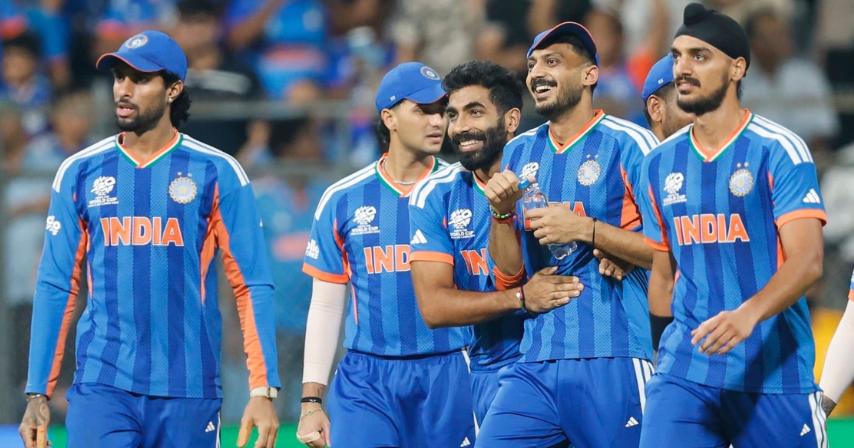
Wankhede witnessed history. India stormed into their first-ever back-to-back T20 World Cup Final, surviving Jacob Bethell’s record-breaking ton in a 499-run thriller. Sanju Samson’s 89 equaled Virat Kohli’s knockout legacy as India posted a record 253/7. Now, the Men in Blue stand on the precipice of immortality: one win against New Zealand to become the first team to win consecutive World Cup titles.
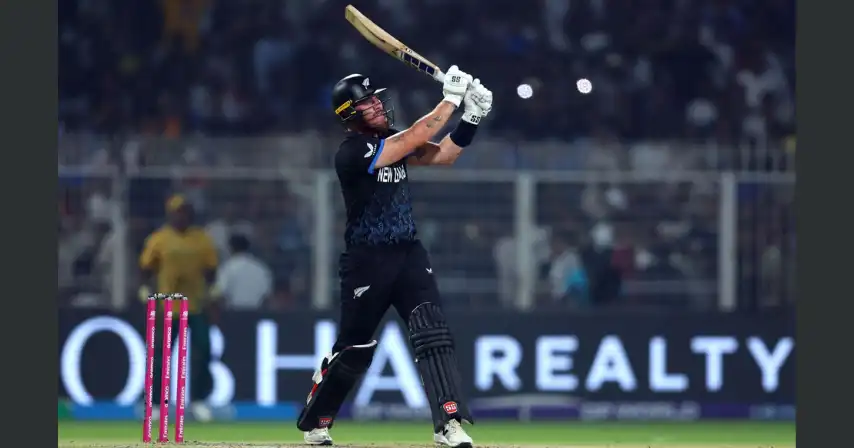
History was rewritten at Eden Gardens! New Zealand’s Finn Allen shattered the record books, smashing the fastest hundred in T20 World Cup history in just 33 balls. Obliterating Chris Gayle’s long-standing 47-ball record, Allen’s explosive 2026 semi-final masterclass against South Africa has propelled the Kiwis into the Grand Final. Is this the greatest T20 innings ever? Explore the new top 5 fastest centurions now.
ScoreWaves © 2025 Copyright. All Rights Reserved.
 Views:
 Download Our App
 IOS
IOS Google Play Store