
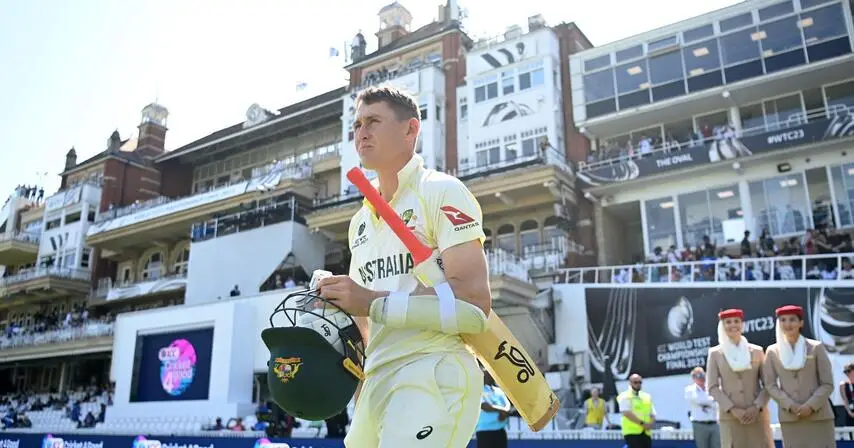
The ICC has announced a fresh wave of rule changes set to impact cricket across all formats — from tweaks in fielding laws to updates on how umpire reviews are handled. These updates, some already in effect, promise to change how the game is played and watched, especially with the new World Test Championship (WTC) cycle already underway.
The new WTC cycle kicked off with Sri Lanka taking on Bangladesh at Galle, and that's where the first of these changes — including the introduction of a stop clock in Tests — came into play. Meanwhile, changes in white-ball cricket, such as a new trial wide-ball rule and updated review protocols, will take effect from July 2.
The stop clock, which was first tested in white-ball formats, has now made its way to Test cricket. Fielding teams must now be ready to bowl the next over within 60 seconds of the previous one finishing. If they don’t, the umpires will issue two warnings. Any further delay will result in a five-run penalty. Warnings reset after every 80 overs, and the countdown runs from 0 to 60.
The long-standing saliva ban remains in place, but umpires are no longer required to change the ball if a player uses it. This move is meant to discourage teams from using saliva deliberately to manipulate ball changes. Now, the decision to replace the ball will be based on how visibly the ball has changed — a call entirely left to the umpires’ discretion.
There’s a major change in how combined reviews (when there are two potential dismissals in one ball) are handled. From now on, the incidents will be reviewed in the order they happened. So, if there’s an LBW appeal and a run-out at the same time, the TV umpire will first check for LBW. If the batter is out on that count, the run-out check becomes irrelevant since the ball is considered dead at the moment of the first dismissal.
Previously, if a batter was initially given out caught and reviewed it, once UltraEdge showed there was no bat involved, the TV umpire would automatically shift to ‘not out’ for any second mode of dismissal like LBW — even if the original on-field decision was out. But not anymore. Under the updated rule, if ball-tracking for LBW results in an umpire’s call, the on-field 'out' decision will stand.
In a bid to bring clarity to the boundary catch law, the ICC now requires fielders who make contact with the ball beyond the ropes to land and remain fully inside the boundary after their final contact. If a fielder steps out of play and makes contact with the ball again while airborne, that’s only allowed once — and they must then land completely inside the field for the catch to count. This change will come into effect in internationals soon and be adopted by the MCC Laws next year.
There’s also a potentially game-changing trial being introduced in domestic first-class cricket. Boards will now be allowed to test the idea of full-time injury replacements for players who suffer obvious, visible external injuries. Like concussion subs, the replacements must be ‘like for like’. However, this doesn’t apply for muscle strains or soft-tissue niggles. It’s up to individual boards to implement the trial in their domestic red-ball competitions.
Finally, in a big step towards prioritizing player health, any player diagnosed with a concussion must now observe a minimum stand-down period of seven days before returning to competitive action. With these changes, the ICC seems intent on addressing long-standing loopholes and evolving the sport to keep up with modern demands — whether it's speeding up the game or tightening interpretation of tricky rules.


Share this post


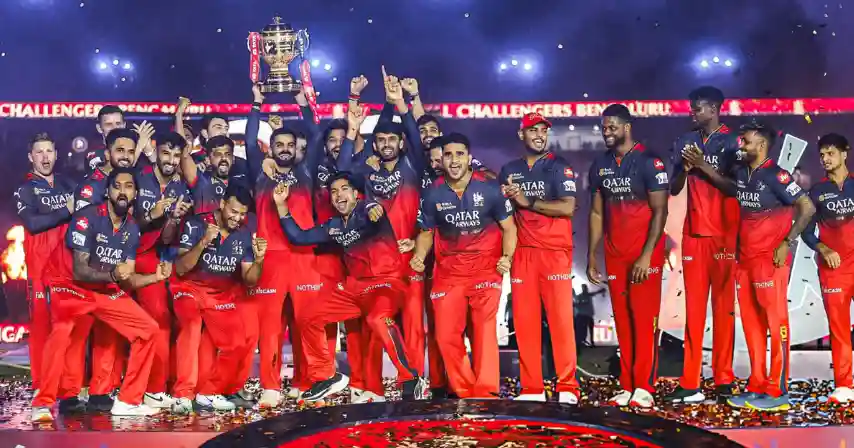
The Karnataka State Cricket Association has received official approval from the Government of Karnataka to host Indian Premier League matches at the iconic M. Chinnaswamy Stadium in Bengaluru. The venue will host the season opener on March 28 between Royal Challengers Bengaluru and Sunrisers Hyderabad, setting the stage for an electrifying start to the IPL with passionate fans and thrilling cricket action.
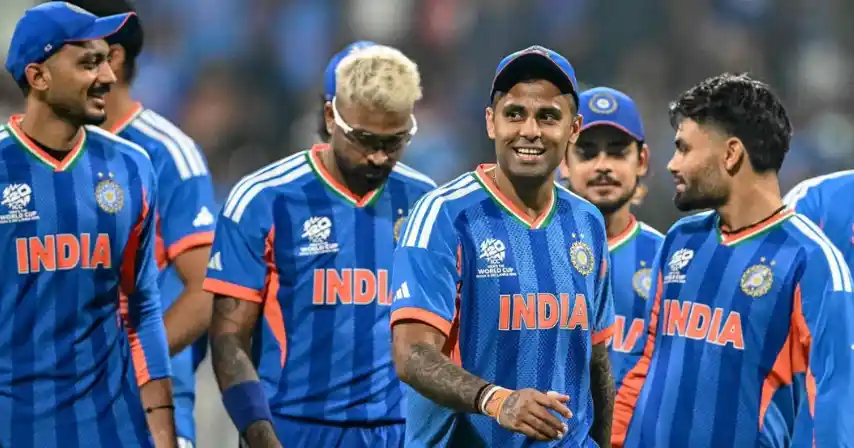
Following India’s historic T20 World Cup 2026 title defense, the BCCI has announced a record-breaking ₹131 crore reward for the Men in Blue! This massive bounty honors the squad’s dominant victory over New Zealand. Each of the 15 players will receive ₹6 crore, with the remaining ₹41 crore distributed among Gautam Gambhir’s coaching staff and support personnel, celebrating India’s unprecedented third T20 world title.
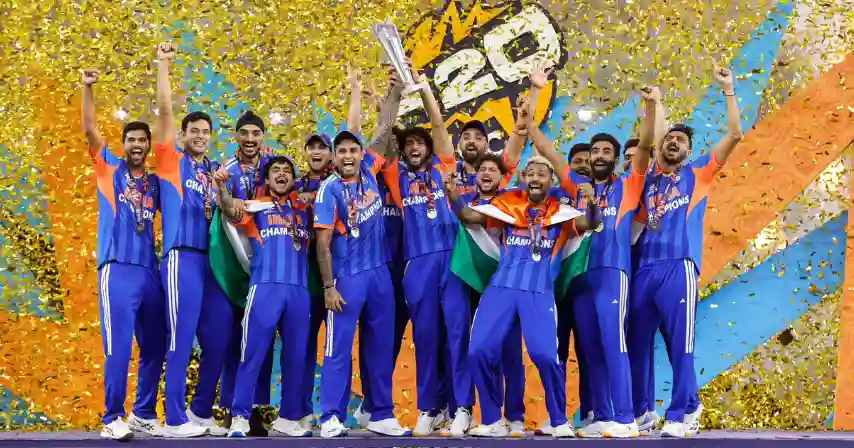
History was created as the India national cricket team lifted the ICC Men's T20 World Cup trophy again, becoming the first team to win back-to-back titles and the first to win three T20 World Cups. Sanju Samson led the charge with a brilliant 89 in the final and a stunning tournament comeback to win Player of the Tournament, while Jasprit Bumrah’s 4-wicket spell sealed India’s historic triumph.
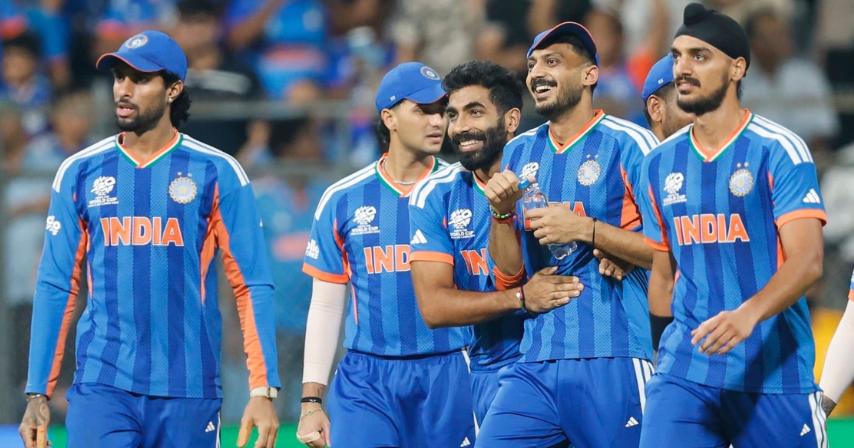
Wankhede witnessed history. India stormed into their first-ever back-to-back T20 World Cup Final, surviving Jacob Bethell’s record-breaking ton in a 499-run thriller. Sanju Samson’s 89 equaled Virat Kohli’s knockout legacy as India posted a record 253/7. Now, the Men in Blue stand on the precipice of immortality: one win against New Zealand to become the first team to win consecutive World Cup titles.
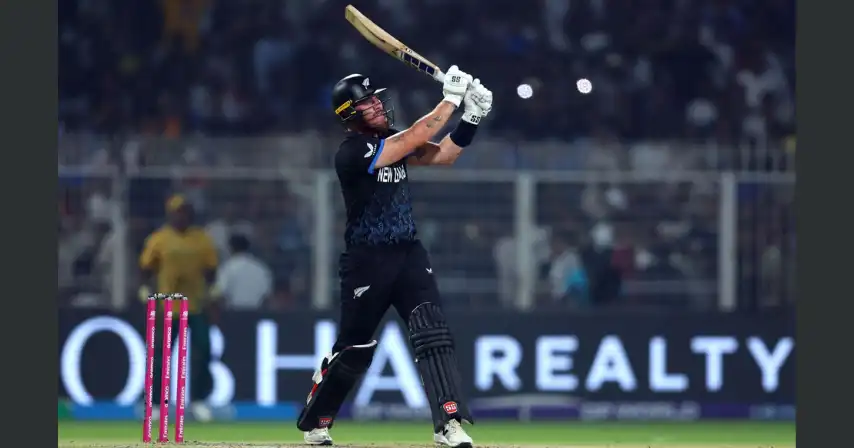
History was rewritten at Eden Gardens! New Zealand’s Finn Allen shattered the record books, smashing the fastest hundred in T20 World Cup history in just 33 balls. Obliterating Chris Gayle’s long-standing 47-ball record, Allen’s explosive 2026 semi-final masterclass against South Africa has propelled the Kiwis into the Grand Final. Is this the greatest T20 innings ever? Explore the new top 5 fastest centurions now.
ScoreWaves © 2025 Copyright. All Rights Reserved.
 Views:
 Download Our App
 IOS
IOS Google Play Store