
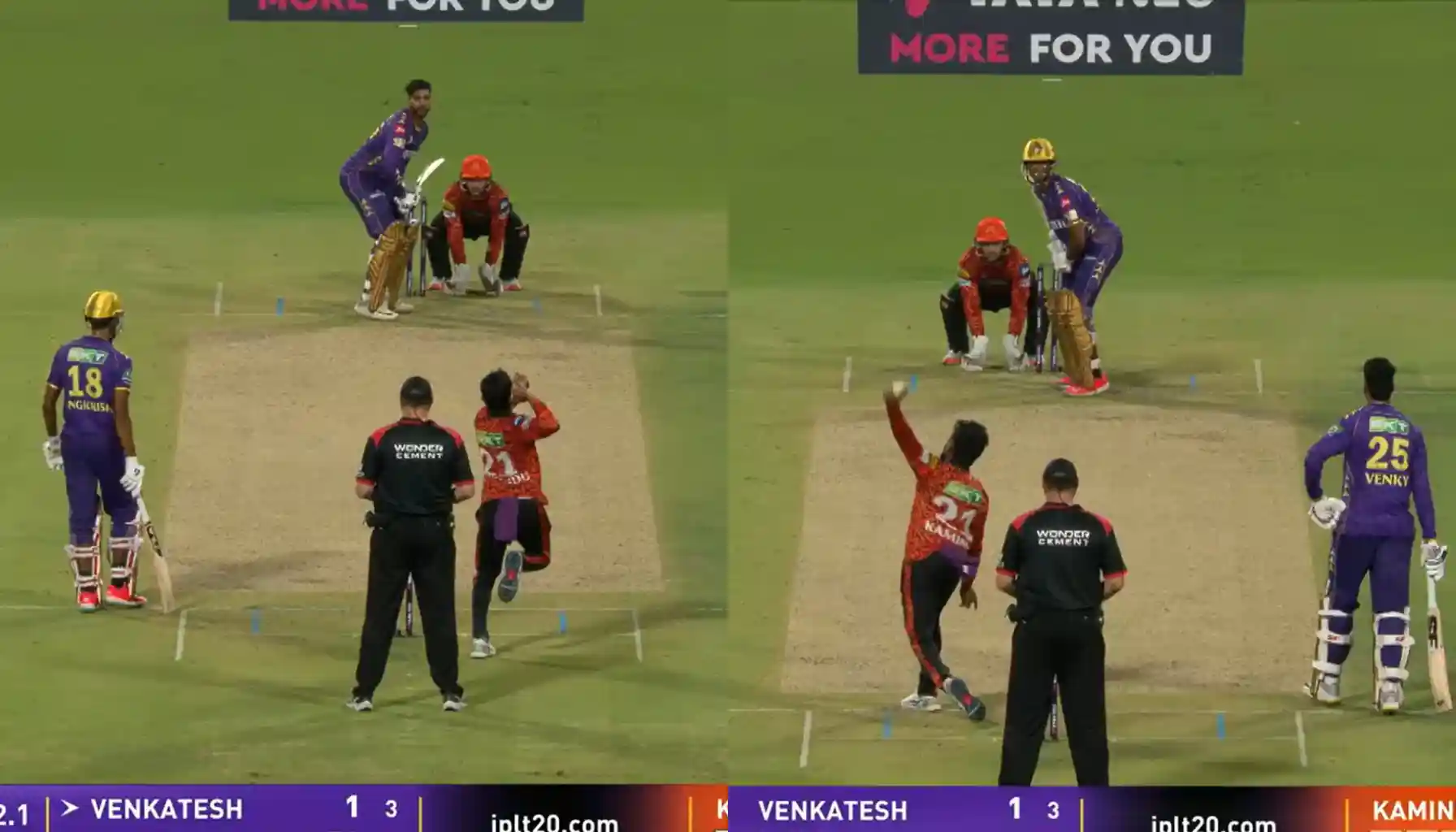
When Kamindu Mendis stepped onto the field for his IPL debut, few expected him to make headlines quite like this. The Sri Lankan all-rounder became the first ambidextrous bowler to take a wicket in the Indian Premier League, a feat that had fans, commentators and even fellow players scratching their heads in awe.
In a game dominated by specialists, Mendis’s ability to switch bowling arms within the same over felt like a breath of fresh air. One delivery, he’s bowling left-arm spin to a right-hander. Next, he switches seamlessly to right-arm off-spin to counter the left-handed batter. It’s the kind of variation that makes cricket nerds drool — and rightly so. His dismissal of KKR’s Angkrish Raghuvanshi with a left-arm spinner, followed by a smooth switch to right-arm off-spin against Venkatesh Iyer, wasn’t just a show of skill, but of cricketing intellect.
But Mendis isn’t the first player to master this rare art. Cricket’s history holds a short but fascinating list of bowlers who have dared to bowl with both hands. The question is, if it’s such a game-changing skill, why haven’t more players — or teams — embraced it?
Kamindu Mendis may have lit up the IPL stage, but this wasn’t his first rodeo. He made his international debut for Sri Lanka back in 2019 against England. Even then, he turned heads — not for a five-wicket haul or a smashing innings, but for the way he bowled left-arm orthodox to Jason Roy, and then right-arm off-breaks to Ben Stokes. The crowd loved it, analysts raised eyebrows, and coaches across the cricketing world took note.
But perhaps no one was more vindicated by Mendis’s rise than John Buchanan. The former Australian coach, known as much for his unorthodox ideas as for his success, had been advocating for ambidextrous cricketing skills for decades. While players like Shane Warne thought Buchanan was “a goose” with no common sense, others like Justin Langer hailed him as a visionary. Regardless of where you stand, Buchanan’s push to nurture ambidextrous talent now seems far ahead of its time.
Kamindu Mendis may be grabbing the headlines, but he’s not the only ambidextrous bowler. India’s Akshay Karnewar has been bowling with both arms in domestic cricket for years. Pakistan’s Yasir Jan is a rare beast — the only known ambidextrous pace bowler in the game. In the women’s game, Jemma Barsby from Australia and Shaila Sharmin from Bangladesh have also quietly been doing their thing.
Jemma, daughter of former Queensland opener Trevor Barsby, might be the only ambidextrous bowler to emerge from Australia’s highly structured cricketing system. The rest? Almost all from South Asia — where early cricketing education is often more informal, less rigid, and more about innovation than instruction.
Only about one percent of people are naturally ambidextrous. But that doesn’t mean others can’t be trained. Buchanan insists the key lies in starting early. Take Mike Hussey for example. He batted right-handed until he saw Allan Border play in a Boxing Day Test and immediately switched to left-hand batting because his idol played left-handed. David Warner, too, bowled wrist spin with both arms as a youngster, only to drop the skill as he climbed the elite ranks. It’s a common thread. As players move into structured academies and age-group cricket, there’s often pressure to specialize and focus — sometimes at the cost of creativity.
Kevin Pietersen offers another example. In his book On Cricket, he explains the origins of his famous switch-hit against Muttiah Muralitharan in 2006. “If you were out for a golden duck in our backyard game, you had to face six balls left-handed and, if you got out again, you were out for good. So, I thought, I need to become good at this.” That playground rule led him to develop what would become one of cricket’s most audacious shots.
Carl Hopkinson, the ECB’s lead fielding coach, may have the answer. He points out that many players are still struggling to master even their dominant-arm throwing. So, developing ambidextrous ability? That’s miles away for most. But Hopkinson adds something important: “That open-mindedness and willingness to try different stuff is something that we need to get better at.” In short, it’s not just about talent. It’s about mindset. And cricket might be starting to shift.
The ICC does allow bowlers to use both arms, but there’s a catch — they must inform the umpire before switching arms, who then informs the batsman. Failing to do so results in a no-ball. But here’s the twist: batsmen are free to switch-hit without any such warning.
This very rule sparked a heated debate during the 2024 India-England Test series in Hyderabad. During live commentary, Harsha Bhogle questioned the fairness of this rule, suggesting that batters should also have to declare a switch of stance. “Absolute nonsense!” replied Kevin Pietersen. “If you want to switch-hit, allow a bowler to bowl with both hands,” said Bhogle in his retort to Pieterson.
However, Bhogle wasn’t done. He took to X to defend his stance, writing, “If you want to switch hit, allow a bowler to bowl with both hands. Because something is difficult, it doesn’t make it acceptable.” It was a polarizing discussion — but an important one. The debate around symmetry in cricket laws is gaining steam, especially as ambidextrous talent becomes more visible.
Kamindu Mendis may have given the ambidextrous revolution its IPL moment. But the road ahead depends on how cricket’s powerbrokers, coaches, and grassroots systems respond. Will they encourage this talent, or will specialization continue to be king? As fans, we love unpredictability. We cheer when a batsman pulls off a reverse scoop or a bowler drops in a knuckleball. Ambidextrous bowling might just be the next great frontier. And if nurtured right, it could make cricket even more entertaining.
Also Read: Jasprit Bumrah Nears Return to Action in IPL 2025


Share this post


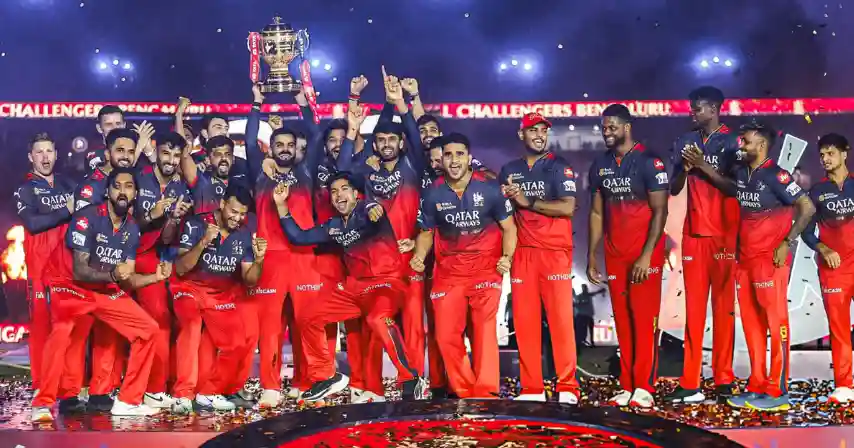
The Karnataka State Cricket Association has received official approval from the Government of Karnataka to host Indian Premier League matches at the iconic M. Chinnaswamy Stadium in Bengaluru. The venue will host the season opener on March 28 between Royal Challengers Bengaluru and Sunrisers Hyderabad, setting the stage for an electrifying start to the IPL with passionate fans and thrilling cricket action.
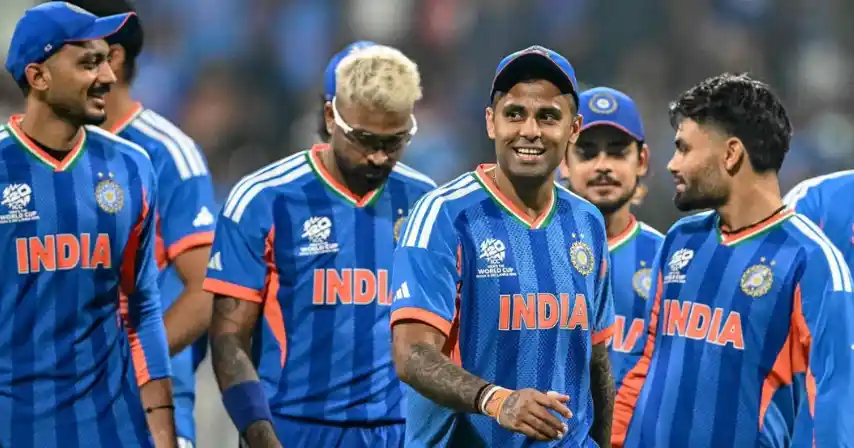
Following India’s historic T20 World Cup 2026 title defense, the BCCI has announced a record-breaking ₹131 crore reward for the Men in Blue! This massive bounty honors the squad’s dominant victory over New Zealand. Each of the 15 players will receive ₹6 crore, with the remaining ₹41 crore distributed among Gautam Gambhir’s coaching staff and support personnel, celebrating India’s unprecedented third T20 world title.
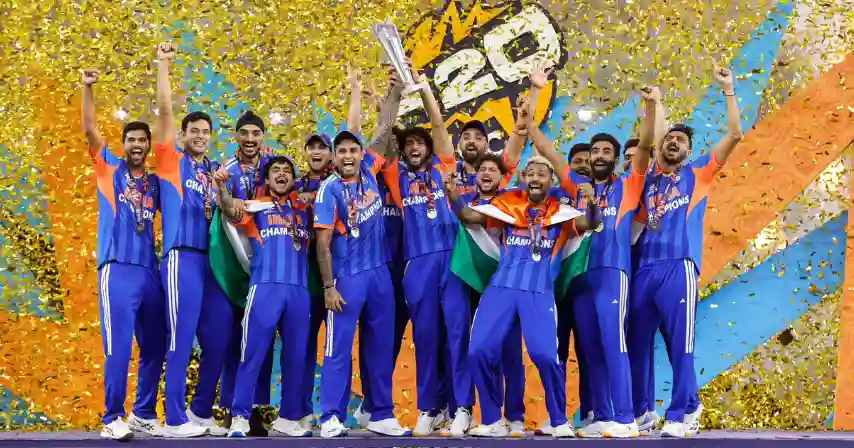
History was created as the India national cricket team lifted the ICC Men's T20 World Cup trophy again, becoming the first team to win back-to-back titles and the first to win three T20 World Cups. Sanju Samson led the charge with a brilliant 89 in the final and a stunning tournament comeback to win Player of the Tournament, while Jasprit Bumrah’s 4-wicket spell sealed India’s historic triumph.
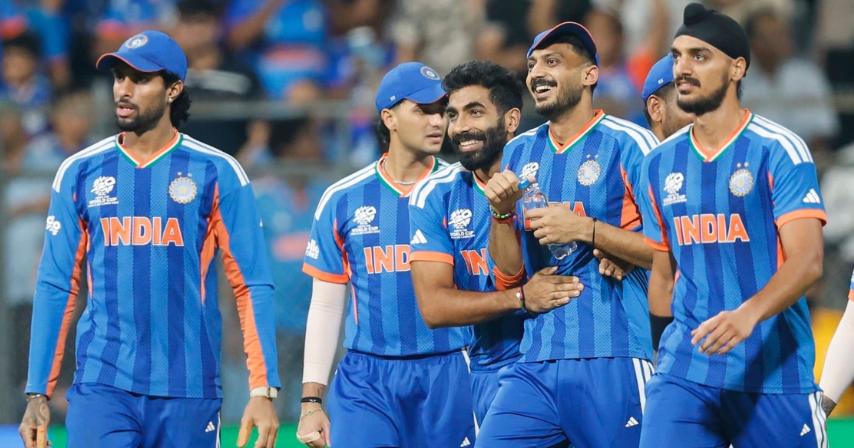
Wankhede witnessed history. India stormed into their first-ever back-to-back T20 World Cup Final, surviving Jacob Bethell’s record-breaking ton in a 499-run thriller. Sanju Samson’s 89 equaled Virat Kohli’s knockout legacy as India posted a record 253/7. Now, the Men in Blue stand on the precipice of immortality: one win against New Zealand to become the first team to win consecutive World Cup titles.
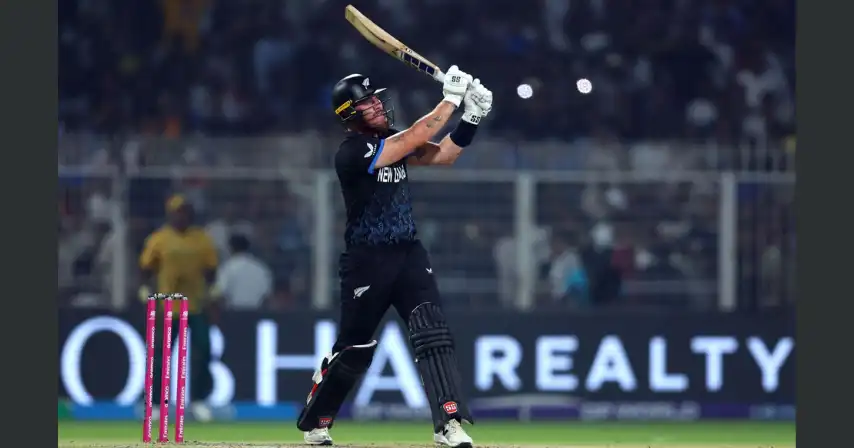
History was rewritten at Eden Gardens! New Zealand’s Finn Allen shattered the record books, smashing the fastest hundred in T20 World Cup history in just 33 balls. Obliterating Chris Gayle’s long-standing 47-ball record, Allen’s explosive 2026 semi-final masterclass against South Africa has propelled the Kiwis into the Grand Final. Is this the greatest T20 innings ever? Explore the new top 5 fastest centurions now.
ScoreWaves © 2025 Copyright. All Rights Reserved.
 Views:
 Download Our App
 IOS
IOS Google Play Store