

The ICC is exploring a bold plan for a 32-team T20 World Cup, aiming for unprecedented global representation and a massive expansion of cricket worldwide. A working group has been formed to consider this move, which would transform the sport's biggest short-format tournament. This initiative aligns with cricket's growing global audience and the increasing digital consumption of the game, promising new heroes and accelerated development for emerging nations.
Imagine a T20 World Cup where the world's best aren't just the usual suspects, but a vibrant tapestry of nations, each bringing their unique flair to Cricket's biggest short-format stage. This isn't just a dream for cricket purists; it's a bold vision the International Cricket Council (ICC) is actively exploring. The ICC has officially established a working group to consider a groundbreaking 32-team T20 World Cup, a move that could fundamentally transform the landscape of global Cricket.
This isn't merely an expansion; it's a strategic leap towards unprecedented global representation. For years, the T20 World Cup has captivated audiences, with the 2022 edition alone drawing a staggering 800 million viewers. But the sport's ambition stretches far beyond its traditional strongholds. The ICC's consideration of a 32-team format signals a clear intent to unlock Cricket's full potential, bringing the thrill of international competition to more corners of the globe than ever before.
Why Now? The Unstoppable Rise of Global Cricket
The timing for such a monumental shift couldn't be more opportune. Cricket is experiencing an undeniable boom, fueled by a rapidly expanding global audience and a dramatic shift towards digital consumption. The 2023 Cricket World Cup, for instance, shattered records with over 1.25 billion viewers worldwide. A significant portion of this growth is driven by mobile-first engagement, with 45% of viewers consuming content on their smartphones during major tournaments, and a remarkable 65% of streaming viewers being under 35 years old. This digital-native generation is hungry for dynamic, accessible Cricket, and a more inclusive World Cup perfectly aligns with their appetite.
While Asian markets, particularly India, continue to dominate global viewership, the sport's footprint is expanding rapidly. Emerging
Cricket nations, such as the United States, have witnessed a phenomenal 300% growth in participation and viewership since 2020, driven by diverse immigrant populations and increased media coverage. Countries such as the Netherlands, Nepal, and the UAE are also experiencing similar upward trajectories, supported by ICC development programs. This burgeoning interest in non-traditional cricketing regions makes a 32-team
T20I showcase not just feasible, but essential for nurturing these new fan bases and accelerating cricket expansion.
The Impact: New Horizons, New Heroes
A 32-team T20 World Cup promises a cascade of positive impacts:
Of course, expanding to 32 teams presents logistical challenges, including those related to hosting capabilities and maintaining competitive balance. However, the potential rewards—a truly global T20 World Cup that mirrors the diversity and reach of sports like football—far outweigh these hurdles. With the next Men's T20 World Cup 2026 already co-hosted by India and Sri Lanka, the infrastructure and appetite for large-scale events are already in place.
The ICC's working group is taking a monumental step. If this vision materialises, the T20 World Cup will not just be a tournament; it will be a powerful engine for Cricket's future, igniting a global explosion that redefines the sport for generations to come.
Sources and related content
Also Read: BCCI Threatens to Boycott Asia Cup Over Dhaka Meeting Venue


Share this post


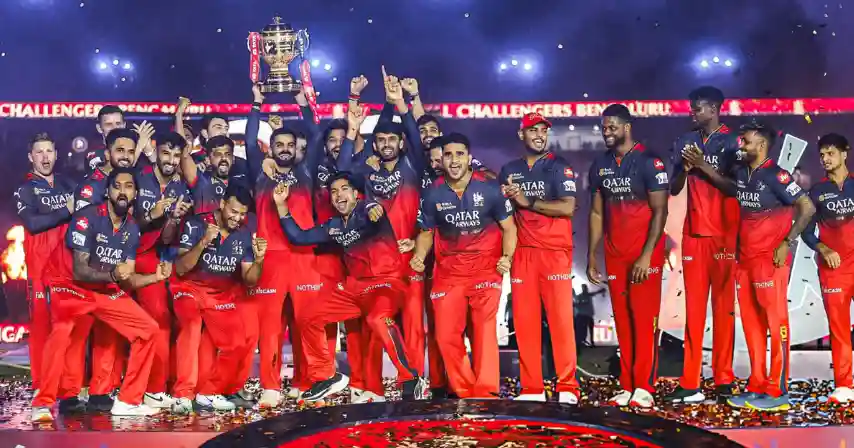
The Karnataka State Cricket Association has received official approval from the Government of Karnataka to host Indian Premier League matches at the iconic M. Chinnaswamy Stadium in Bengaluru. The venue will host the season opener on March 28 between Royal Challengers Bengaluru and Sunrisers Hyderabad, setting the stage for an electrifying start to the IPL with passionate fans and thrilling cricket action.
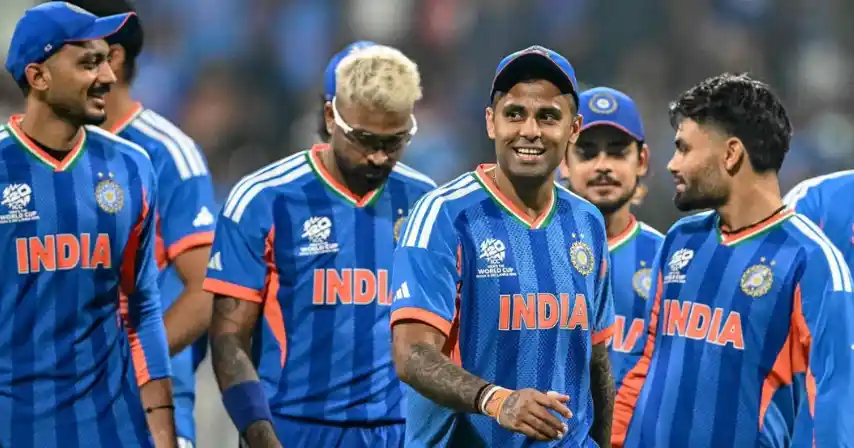
Following India’s historic T20 World Cup 2026 title defense, the BCCI has announced a record-breaking ₹131 crore reward for the Men in Blue! This massive bounty honors the squad’s dominant victory over New Zealand. Each of the 15 players will receive ₹6 crore, with the remaining ₹41 crore distributed among Gautam Gambhir’s coaching staff and support personnel, celebrating India’s unprecedented third T20 world title.
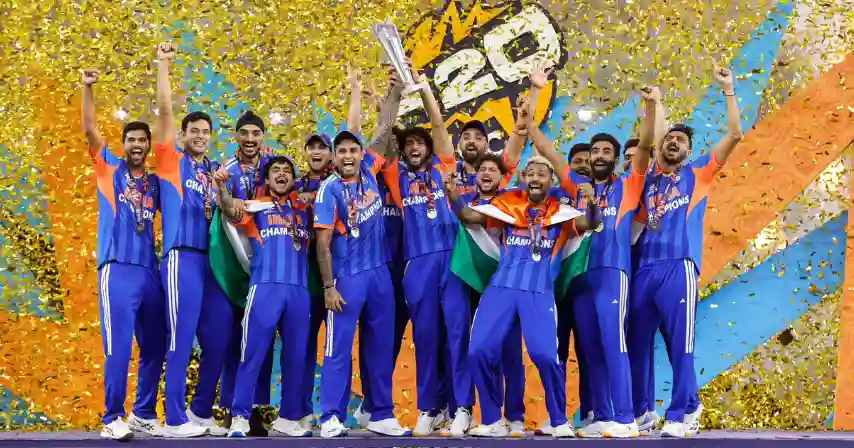
History was created as the India national cricket team lifted the ICC Men's T20 World Cup trophy again, becoming the first team to win back-to-back titles and the first to win three T20 World Cups. Sanju Samson led the charge with a brilliant 89 in the final and a stunning tournament comeback to win Player of the Tournament, while Jasprit Bumrah’s 4-wicket spell sealed India’s historic triumph.
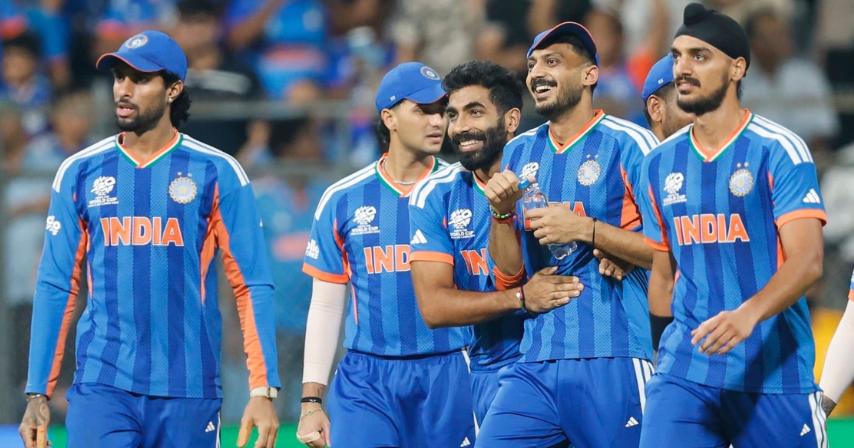
Wankhede witnessed history. India stormed into their first-ever back-to-back T20 World Cup Final, surviving Jacob Bethell’s record-breaking ton in a 499-run thriller. Sanju Samson’s 89 equaled Virat Kohli’s knockout legacy as India posted a record 253/7. Now, the Men in Blue stand on the precipice of immortality: one win against New Zealand to become the first team to win consecutive World Cup titles.
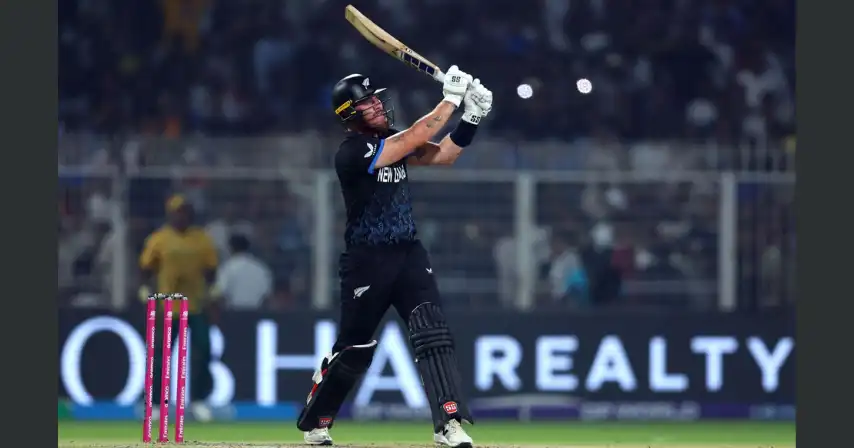
History was rewritten at Eden Gardens! New Zealand’s Finn Allen shattered the record books, smashing the fastest hundred in T20 World Cup history in just 33 balls. Obliterating Chris Gayle’s long-standing 47-ball record, Allen’s explosive 2026 semi-final masterclass against South Africa has propelled the Kiwis into the Grand Final. Is this the greatest T20 innings ever? Explore the new top 5 fastest centurions now.
ScoreWaves © 2025 Copyright. All Rights Reserved.
 Views:
 Download Our App
 IOS
IOS Google Play Store