
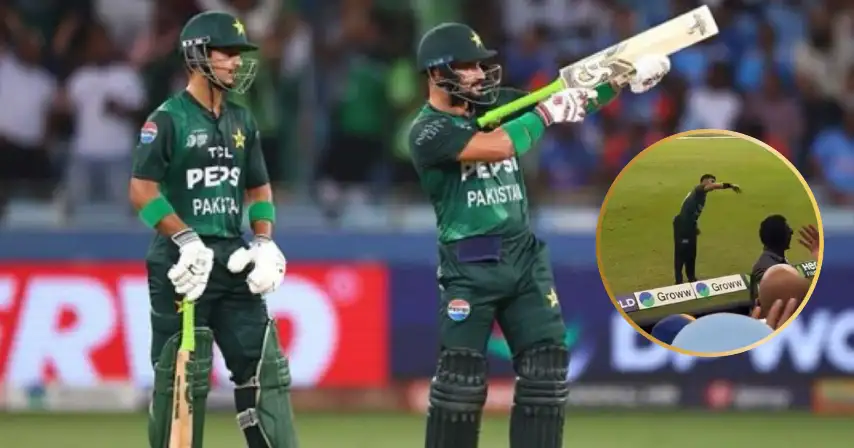
Cricket thrives on rivalry, but respect must never take a back seat. The intense India vs. Pakistan clash has sparked debate beyond the scoreboard, testing the sport's limits. As the ICC weighs its response, all eyes are on how it balances passion with professionalism. Get it right, and cricket can return to what fans love most—pure skill, innovative strategy, and unforgettable moments on the field.
The International Cricket Council (ICC) is poised to examine formal complaints from both the BCCI and the PCB after a heated India–Pakistan Super Four Asia Cup 2025 encounter. Emotions spilled over on the field and in post-match remarks, turning cricket’s fiercest rivalry into a test of governance. With both boards filing official notes, the ICC must now decide where passionate celebration ends—and unacceptable on-field conduct begins.
The India vs Pakistan Super Four match on September 21, 2025, was a big deal, but things got a bit heated. Both sides point to flashpoints during recent fixtures. Celebrations, gestures, and sharp words drew attention from officials and fans. What one camp calls competitive fire, the other views as provocative. That gap in perception sits at the heart of the complaints—and is exactly what the ICC Code of Conduct is meant to referee.
Controversial Moments:
Harris Rauf's Gesture: A Pakistani bowler, Harris Rauf, made a gesture that many people thought was related to the political tensions between India and Pakistan. The BCCI (Board of Control for Cricket in India) wasn't happy and filed a complaint.
Sahibzada Farhan's Celebration: Another Pakistani player, Sahibzada Farhan, celebrated scoring a half-century with a gesture that looked like he was holding a gun. This also caused some controversy.
PCB Chairman's Video: The chairman of the Pakistan Cricket Board (PCB), Mohsin Naqvi, posted a video on social media featuring Cristiano Ronaldo making a gesture. Some people saw this as supporting Rauf's earlier gesture, which added fuel to the fire.
On Thursday, September 25, 2025, the ICC will convene a hearing to examine formal complaints from the BCCI and PCB after the fiery India–Pakistan Super Four Asia Cup clash. Working under the ICC Code of Conduct, officials will first decide whether the incidents merit charges. The review will zero in on Haris Rauf's gesture, Sahibzada Farhan's celebration, and the broader behaviour of players on the field.
If a case is established, outcomes could include official warnings, fines, or short suspensions, based on the severity and any prior records. Both players and boards may either accept penalties or challenge them through the process. With fixtures coming in quick succession, clarity and speed will be crucial. Whatever the verdict, it will set a clear precedent for handling similar flashpoints in future high-pressure matches.
Why is this Important?
This situation shows how sports and politics can sometimes mix. Cricket is renowned for its intense rivalries, but it's essential for players to demonstrate good sportsmanship and respect. The ICC's decision will be crucial in ensuring the game remains fair and respectful, particularly when political issues are involved.
Rivalry fuels cricket's drama—but the game must be played within boundaries that uphold respect, safety, and integrity. The recent India vs. Pakistan clash has highlighted just how high emotions can run, both on and off the field. While passion is part of what makes cricket special, it also creates challenges that need careful management.
The ICC is committed to fairness and maintaining the spirit of the game. Its response to the BCCI and PCB complaints will set a vital precedent—not just for celebrations and interviews, but for the overall conduct of players and teams.
Handled well, this moment can reaffirm cricket's values and shift the focus back to what truly matters: skill, strategy, and great cricket—without the noise.
Also Read: India’s Squad for Home Tests vs West Indies: Full List


Share this post


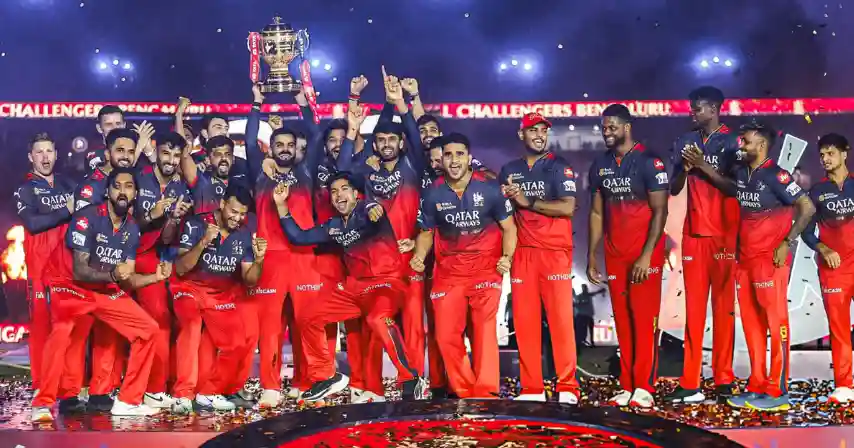
The Karnataka State Cricket Association has received official approval from the Government of Karnataka to host Indian Premier League matches at the iconic M. Chinnaswamy Stadium in Bengaluru. The venue will host the season opener on March 28 between Royal Challengers Bengaluru and Sunrisers Hyderabad, setting the stage for an electrifying start to the IPL with passionate fans and thrilling cricket action.
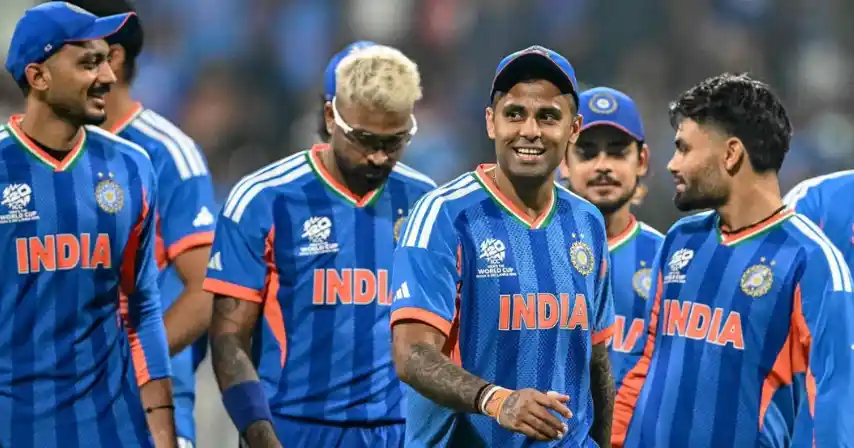
Following India’s historic T20 World Cup 2026 title defense, the BCCI has announced a record-breaking ₹131 crore reward for the Men in Blue! This massive bounty honors the squad’s dominant victory over New Zealand. Each of the 15 players will receive ₹6 crore, with the remaining ₹41 crore distributed among Gautam Gambhir’s coaching staff and support personnel, celebrating India’s unprecedented third T20 world title.
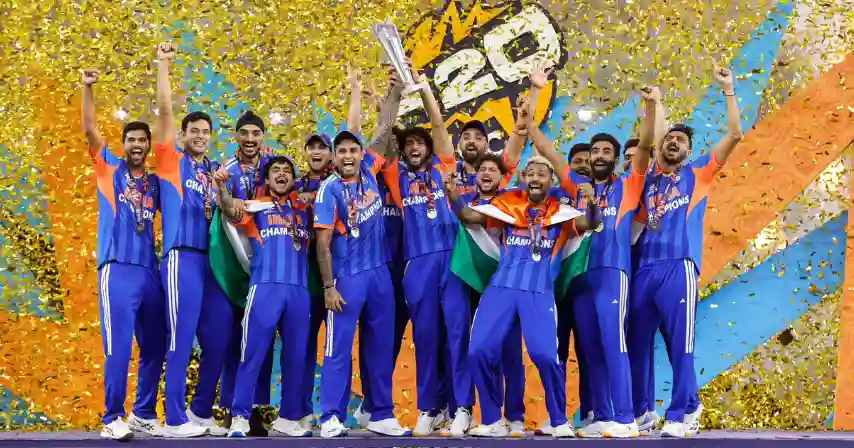
History was created as the India national cricket team lifted the ICC Men's T20 World Cup trophy again, becoming the first team to win back-to-back titles and the first to win three T20 World Cups. Sanju Samson led the charge with a brilliant 89 in the final and a stunning tournament comeback to win Player of the Tournament, while Jasprit Bumrah’s 4-wicket spell sealed India’s historic triumph.
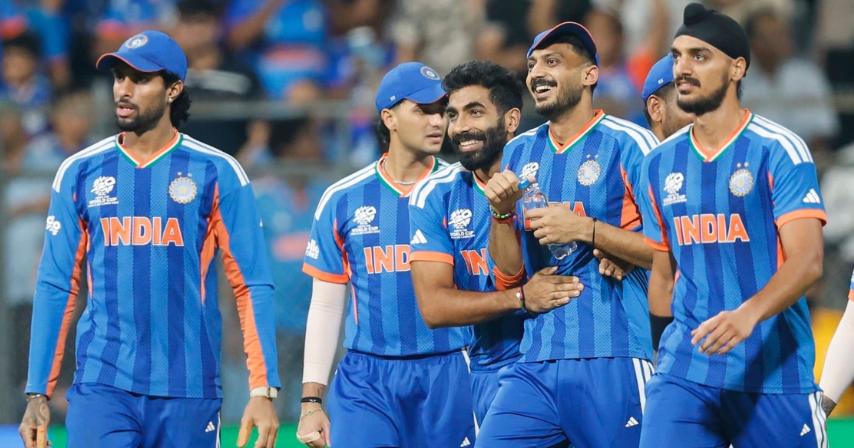
Wankhede witnessed history. India stormed into their first-ever back-to-back T20 World Cup Final, surviving Jacob Bethell’s record-breaking ton in a 499-run thriller. Sanju Samson’s 89 equaled Virat Kohli’s knockout legacy as India posted a record 253/7. Now, the Men in Blue stand on the precipice of immortality: one win against New Zealand to become the first team to win consecutive World Cup titles.
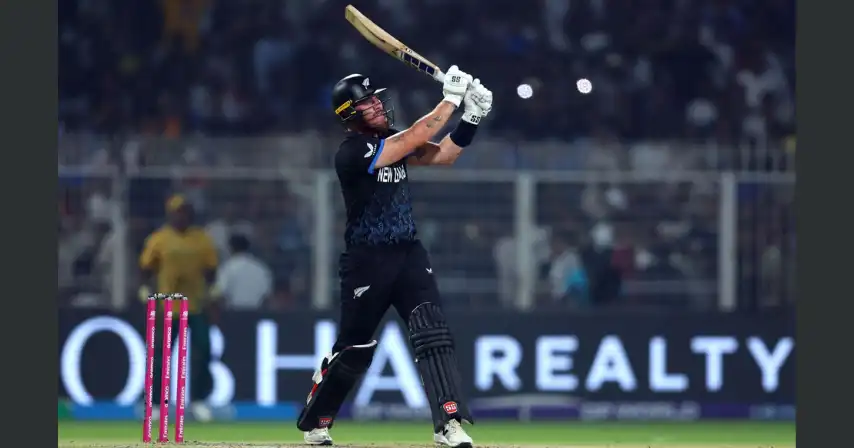
History was rewritten at Eden Gardens! New Zealand’s Finn Allen shattered the record books, smashing the fastest hundred in T20 World Cup history in just 33 balls. Obliterating Chris Gayle’s long-standing 47-ball record, Allen’s explosive 2026 semi-final masterclass against South Africa has propelled the Kiwis into the Grand Final. Is this the greatest T20 innings ever? Explore the new top 5 fastest centurions now.
ScoreWaves © 2025 Copyright. All Rights Reserved.
 Views:
 Download Our App
 IOS
IOS Google Play Store